
Growing (and Mowing) with Purpose!
If you’ve spent time at Fellowship Camp & Conference Center, you may have noticed something a little different about our grounds.
Our grass isn’t always closely trimmed. Dandelions bloom freely. Wildflowers appear where they choose. And some areas are intentionally left to grow a little taller than you might expect at a traditional camp, resort, or highly manicured property.
That’s not by accident. It’s by design.
A Different Kind of Beauty
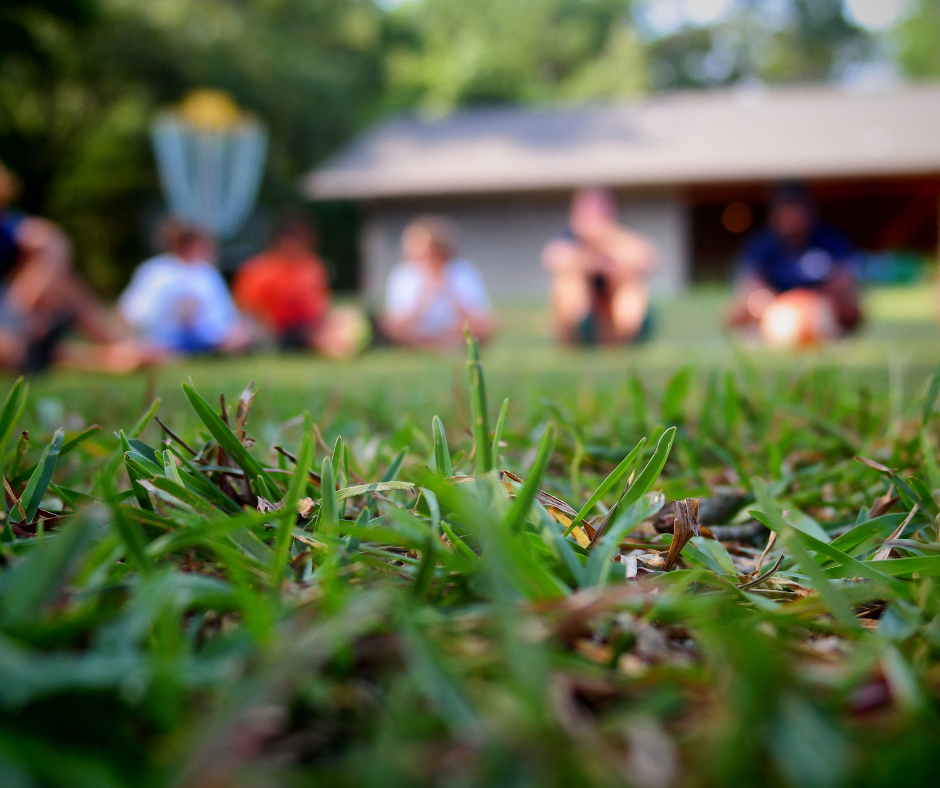
Let it Grow!
At Fellowship, we approach landscaping as an extension of our mission - caring for creation, not just controlling it. Instead of striving for a “perfect” lawn, we aim for a living landscape that supports the health of the environment around Lake Greenwood.
This means:
We avoid routine use of chemical fertilizers and pesticides
We allow grasses to grow to seed in some areas
We welcome dandelions, clover, and native wildflowers
We mow less frequently and more intentionally
We allow leaves to rest through the fall and mulch in the spring to provide natural enhancement to the soil.
While this may look less like a golf course, it reflects a deeper commitment to stewardship and sustainability.
Why Letting It Grow Matters
Research - and experience - tell us that a more natural landscape provides real benefits.
According to Clemson Cooperative Extension, creating an environmentally responsible landscape means reducing chemical inputs and designing spaces that support wildlife, protect water quality, and work with natural systems rather than against them.
Here’s what that looks like in practice:
1. Supporting Pollinators
Dandelions, clover, and other flowering “weeds” are actually critical early food sources for bees and pollinators. When we let these plants bloom, we are helping sustain the very species responsible for pollinating much of our food supply.
2. Reducing Chemical Runoff
Fertilizers and pesticides don’t stay put. These chemicals can wash into waterways during rain events, impacting lakes and ecosystems beyond the property itself. By minimizing their use, we help protect Lake Greenwood and the broader watershed we all share.
3. Strengthening Natural Ecosystems
Native and naturalized plants are uniquely adapted to our region. They thrive in the climate, and support other cycles within the ecosystem.
4. Creating Habitat for Wildlife
Longer grasses and diverse plant life provide shelter and food for insects, birds, and small mammals. Even something as simple as allowing grass to go to seed can support birds and beneficial insects that are essential to a balanced ecosystem.
A Teaching Landscape
Fellowship is not just a place to visit and have fun - it’s a place to learn. Our landscape is part of that experience. It invites campers, guests, and retreat groups to:
See creation as interconnected
Understand how small choices impact the environment
Experience a more natural rhythm of growth and renewal
In a world that often prioritizes control and perfection, our grounds offer something different: a living example of stewardship, patience, and trust in God’s design.
What You Might Notice
As you walk the property, you may see:
Patches of taller grass or “meadow-like” areas
Flowering dandelions and clover mixed into lawns
Areas that are mowed less frequently or seasonally
Native plants thriving without intensive care
These are not signs of neglect—they are signs of intentional care.
Rooted in Stewardship
Our approach to landscaping reflects a simple belief: The land entrusted to us is not just something to maintain - it is something to nurture. So the next time you see a dandelion in bloom or a field left to grow a little taller, take a moment to pause. You’re not just looking at tall grass and weeds. You’re witnessing a commitment to creation care—one that supports pollinators, protects water, and helps future generations experience the beauty and balance of God’s world.